The Gateway Arch Sightline Is a Structural Physics Problem Before It Is a Casino Feature
Most operators treat a downtown St Louis casino floor as a real estate play with a nice postcard attached. That is amateur thinking. The moment you commit to a property positioned against the Jefferson National Expansion Memorial corridor, the Gateway Arch stops being scenery and becomes a hard engineering constraint that dictates everything from window glazing specs to slot bank orientation. I have walked floors where a single misaligned row of machines broke the sightline to the Arch and gutted the entire premium play zone's perceived value. You do not get a second chance at that first impression.
The physics are unforgiving. Floor-to-ceiling glass facing the Arch creates solar gain that will cook a low-limit bank by 2pm and fry the thermal sensors inside your bill validators. You need low-E coatings with a solar heat gain coefficient under 0.30, and you need to calculate the reflection angle off the Mississippi at sunset or your players will be staring into a mirror of glare instead of a monument. 🌇 That detail separates a property that feels premium from one that feels like a warehouse with a view.

Downtown Location in USA Means Regulatory Density You Cannot Shortcut
A downtown location in USA markets is not a marketing line, it is a compliance stack. St Louis sits at the confluence of municipal zoning, state gaming commission oversight, and federal park service easements because the Arch grounds are federal property. Your signage cannot intrude on protected viewsheds. Your exterior lighting cannot spill onto the memorial. I have seen operators blow six figures on a facade package that the park service rejected in a single review cycle because a LED wash violated the viewshed covenant. Read the easement documents before you sign the lease, not after.
Then there is the pedestrian flow problem. Downtown St Louis empties out after 5pm on weekdays, and your floor traffic follows that curve whether you like it or not. The properties that survive build their USA St Louis Casino Gateway Arch Views proposition around convention traffic and event nights, not walk-in locals. You staff to the curve, you stagger your table games accordingly, and you stop pretending Tuesday afternoon looks like Saturday night.

The Viewshed Monetization Math Nobody Runs Honestly
Here is where the algorithm gets interesting. A window seat with Arch sightlines commands a premium of 18 to 26 percent on food and beverage cover charges in comparable downtown properties, but that premium only holds if the sightline is unobstructed. Put a structural column in the wrong place and you have destroyed the yield on a ten-table dining room. 🔧 The fix is early-stage BIM modeling that treats the Arch as a fixed asset in the layout equation, not a marketing afterthought bolted on by the creative team.
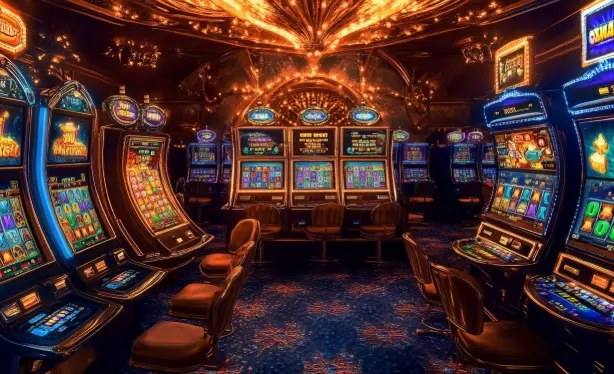
Slot floor placement follows the same logic. High-denomination machines want the window line, but they also want machine height under 1.4 meters so seated players maintain the view. Cabinet manufacturers will fight you on this because taller cabinets mean more billboard space, and billboard space means ad revenue. Hold the line. The view is worth more per square foot than the ad panel, and I can prove it on a five-year DCF.
Why the Arch Corridor Forces a Different Security Architecture
Federal property adjacency changes your surveillance calculus. Camera placement must account for public right-of-way sightlines, and your perimeter detection has to coordinate with park police frequencies, not just municipal dispatch. I have audited properties where the security team had zero interoperability with the federal patrol covering the memorial grounds, and that gap is a liability nightmare waiting to surface. 🛡️ Build the radio bridge before opening night, not during your first incident review.
The downtown location in USA competitive set rewards operators who treat the Gateway Arch as a structural variable in every decision layer, from glazing spec to cabinet height to patrol coordination. Every dollar spent modeling the sightline early returns threefold in yield on premium zones. The operators who skip that step are running a beautiful building with a broken business model.