
Fruit Machine Nudge Feature: How Does It Work?
The nudge feature is not a courtesy — it is a calculated psychological lever baked into the machine's RNG cycle, and understanding its timing is the difference between bleeding credits and walking away with a profit. Most players treat the nudge as a lucky second chance. That assumption is exactly how the house keeps its edge.
The Core Mechanism: RNG, Reels, and the Nudge Window
Every spin on a modern fruit machine resolves through a random number generator the instant you hit the button. The nudge does not reroll anything. What actually happens is the machine flags a near-miss outcome — typically one or two symbols off a winning line — and opens a timed nudge window measured in milliseconds. During that window the player can shift individual reels up or down by one position. The critical detail the manufacturers never advertise: the nudge availability is itself decided by the RNG before the reels even stop spinning. It is pre-determined, not reactive.
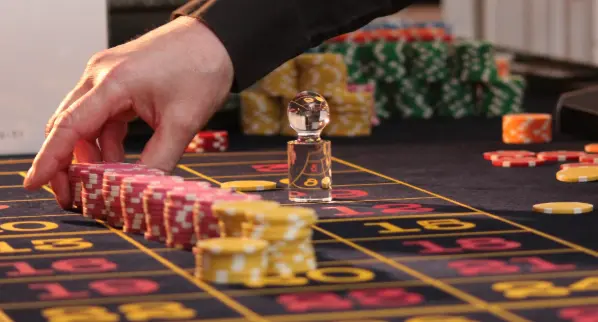
This is where the Fruit Machine Nudge Feature gets deceptive. Players believe their reaction speed matters. It does not. The window exists purely to create the illusion of agency and extend session time. A machine that grants a nudge on 22 percent of spins will still pay out on the same long-term percentage whether you use the nudge or ignore it entirely.
Why Near-Miss Design Is Deliberate
The nudge feature feeds directly off the near-miss principle. When two cherries land and the third sits one position away, the brain registers a win that almost happened — dopamine fires anyway. Manufacturers engineer reel strips so that near-miss combinations appear far more frequently than genuine winning combinations. The nudge window then converts that frustration into engagement. You feel skilled. You feel close. You keep feeding notes into the slot.
From a hardware audit perspective, this is not a flaw. It is a feature with a spec sheet. The payout percentage sits locked in EPROM or firmware, and the nudge logic operates entirely within that pre-set envelope. No nudge sequence can push the machine outside its configured return-to-player range. If you believe otherwise, you are betting against the circuit board.
The Skill Illusion and Timed Decision Windows
Some machines layer a genuine decision into the nudge — offering a choice of which reel to shift. This feels tactical. It is not. The machine has already resolved which reel positions are reachable and which outcomes are permissible within the current spin's parameters. Your "choice" selects from a pre-approved set. The nudge mechanic is a presentation layer on top of fixed math, and the best technical players treat it as such: observe the frequency, map the near-miss rate, and never let the window pressure you into a spin you did not plan.

Watch the nudge grant rate across fifty spins on any cabinet. Log it. You will find it clusters tightly around the manufacturer's configured figure — usually between 18 and 25 percent. That number is the machine's tell, and it never lies. 🎰
Firmware-Level Constraints You Cannot Beat
The nudge window duration, the reel-shift limits, and the grant probability all live in firmware that operators cannot legally alter post-certification. Any cabinet where the nudge feels unusually generous is either running a compensated profile designed to recoup later, or it has been tampered with — and tampered cabinets get flagged fast. The math always reconciles. The nudge is a showman's trick wrapped around a cold RNG core, and the moment you stop believing in your own reflexes is the moment you start reading the machine correctly.